Most drivers in the UK do not even look at their tyres. Not until they skid anyway. Like on some freezing cold Tuesday morning in February, when the steering suddenly feels completely loose and a bit scary.
That is exactly when you start kicking yourself thinking should I have sorted this out sooner?
Well, the right choice is different for everyone. It all depends on where you live the roads you use and how freezing your winters actually get. This guide is just to help you figure out what makes the most sense for your own car.
What Are Winter and Summer Tyres, actually?
Not just different names on a shelf. The rubber compounds, tread depths and designs are genuinely built for different conditions.
Summer Tyres
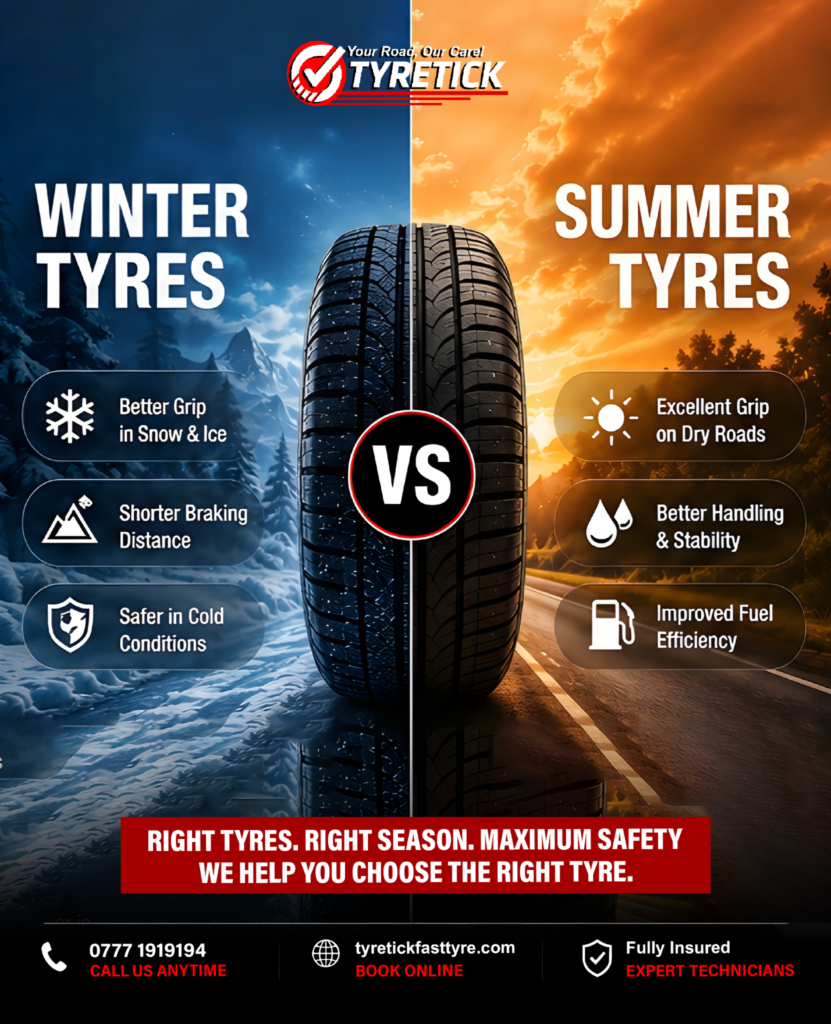
Summer tyres UK perform best when temperatures stay above 7°C. The rubber is firmer, which gives you:
Crisp cornering on dry roads
Better fuel economy in warmer months
Shorter stopping distances when the road is warm and dry
Most UK cars come fitted with these as standard. They are perfectly fine for most of the year. But once temperatures dip, that firm rubber starts working against you. Grip fades. Stopping distances stretch. It is a gradual change not a sudden one which makes it easy to miss.
Winter Tyres
Winter tyres UK use a softer rubber compound that stays pliable in cold air. They are specifically built for:
Consistent temperatures below 7°C
Icy or snowy surfaces
Cold, wet roads in general
The tread is deeper and cut with tiny grooves called sipes. These bite into ice and slush where a summer tyre would just skate across. The braking difference on ice is not trivial. We are talking metres, not centimetres.
What About All-Season Tyres?
A lot of UK drivers are shifting this way, honestly. All-season tyres UK are the middle ground. They handle mild winters better than summer tyres and cope with warm summers better than winter tyres do.
For most towns and cities across England and Wales, where snow is rare and winters are more wet than icy, all-season tyres UK cover the bases well. One set, no swapping in October, no storage problem in March.
They are not the peak performer in any single condition. But for typical UK weather? They hold up surprisingly well.
CTA: Unsure which tyre suits your area and driving style? WhatsApp Tyretick for a straight, honest answer.
Real Questions UK Drivers Ask
Who Actually Needs Winter Tyres?
Drivers regularly travelling through the Scottish Highlands, the Peak District, or the Welsh hills face genuine frost and snow. For them, winter tyres UK are a sensible investment. A London commuter driving five miles to the office? Probably fine with all seasons.
What Happens When You Leave Summer Tyres on in Winter?
Below 7°C, the rubber stiffens. Grip reduces. Braking distances increase in ways most drivers do not notice until something goes wrong on a cold, wet road.
When Should Winter Tyres Go On in the UK?
October through March is the usual window. If overnight temperatures in your area are regularly sitting below 7°C that is your cue to act.
Where Can You Get Tyres Fitted Without Going to a Garage?
Tyretick provides mobile tyre fitting across the UK. A fully equipped fitter comes to your home, workplace, or wherever you are stuck. No towing, no waiting room, no wasted half-day.
Why Does the Rubber Compound Actually Matter?
Cold air makes rubber stiff. Stiff rubber on a cold road means less contact, less grip. Winter compounds stay soft in the cold, which keeps them in better contact with the road surface. That contact is everything.
Practical Tips Before You Decide
Watch the temperature trend not just a single forecast. If your mornings are consistently below 7°C your current tyres may be underperforming without obvious warning signs.
Think about your commute type. A short urban trip and a 40-mile motorway run in January are completely different risk profiles.
If you go all season, choose a quality brand. The gap between a budget all-season tyre and a decent one is wider than most people expect.
Storage has a cost. Swapping between two tyre sets sounds good until you factor in where you are keeping a second set of wheels.
Get a tyre health check before cold weather arrives. Worn tread is dangerous in any season, but especially when roads are cold and wet.
Tyretick includes tyre health checks as part of their mobile service. Worth booking before the temperature starts dropping regularly.

CTA: Call Tyretick on 07895 080049 or drop a WhatsApp to book your tyre check before winter.
Numbers Worth Knowing
Winter tyres can cut stopping distances on ice by up to 50% versus summer tyres
Look for the Three Peak Mountain Snowflake (3PMSF) symbol on all-season tyres UK which confirms the tyre meets actual winter performance standards
A proper fitted winter tyre swap here in the UK usually costs somewhere between £80 and £200. It really just depends on how big your car wheels are and the specific brand you pick
Tyretick stocks tyres from Michelin, Pirelli, Continental, Bridgestone, Goodyear and more across budget mid-range and premium levels
Make a Smart Tyre Choice Not Just a Seasonal One
Tyres are just one of those things we all ignore until a flat happens. But choosing between winter tyres UK, summer tyres UK, or all season tyres UK is actually pretty simple once you take an honest look at how you drive.
Cold region, icy roads, rural commutes? Winter tyres are worth it. Mild, wet winters in a city? All seasons cover you well. Warm climate, light usage, rarely cold? Summer tyres are fine.
Getting the right advice upfront costs nothing. Getting it wrong on a freezing road costs considerably more.

CTA: Get a free, no-obligation quote from Tyretick. Call 07895 080049 or WhatsApp anytime. Mobile tyre fitting across the UK, available 24/7.
Frequently Asked Questions
Q1. Are winter tyres a legal requirement in the UK?
No. Unlike some European countries the UK does not make them mandatory. But fitting them in cold months meaningfully improves safety.
Q2. Can all season tyres genuinely replace both summer and winter sets?
For most UK drivers, yes. For areas with heavy regular snowfall or prolonged freezing temperatures dedicated winter tyres will outperform them.
Q3. Do winter tyres wear out faster if used in summer?
They do. The soft compound degrades more quickly in warm conditions and grip actually drops in heat. Keep them for cold months only.
Q4. How do I find my correct tyre size before booking?
Check the sidewall of your existing tyre. Or just give Tyretick your registration number when you call or message. They will sort the rest.
Q5. Does Tyretick fit specialist tyre types like EV tyres or run flats?
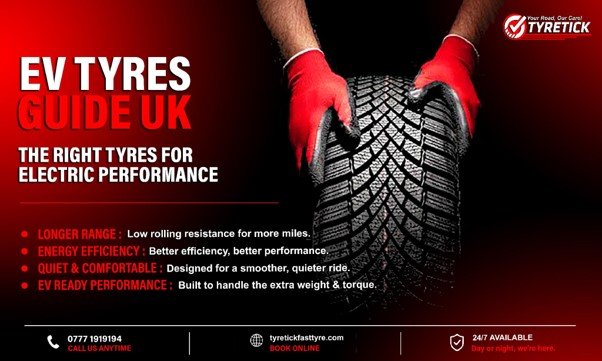
Yes. Tyretick handles EV tyres, performance tyres, van tyres, run-flats and standard passenger car tyres across all vehicle types.