Skip to content

If tyre pressure keeps dropping, it doesn’t automatically mean there’s a nail in the tread. Cold weather, a leaking valve, a damaged wheel rim, a TPMS fault or a slow puncture can all cause repeat pressure loss.
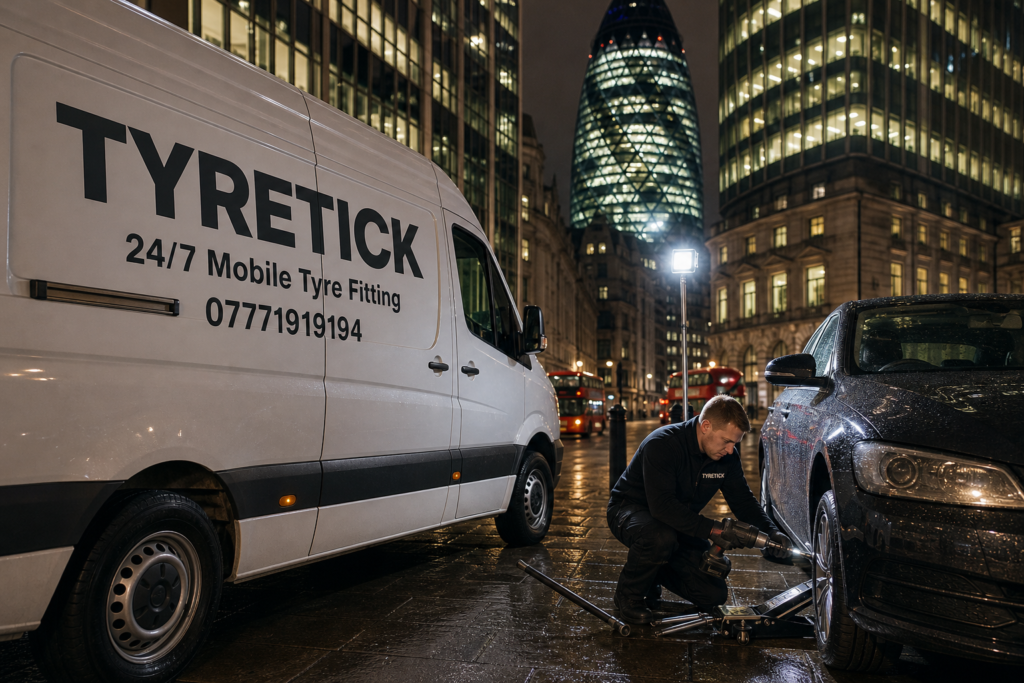
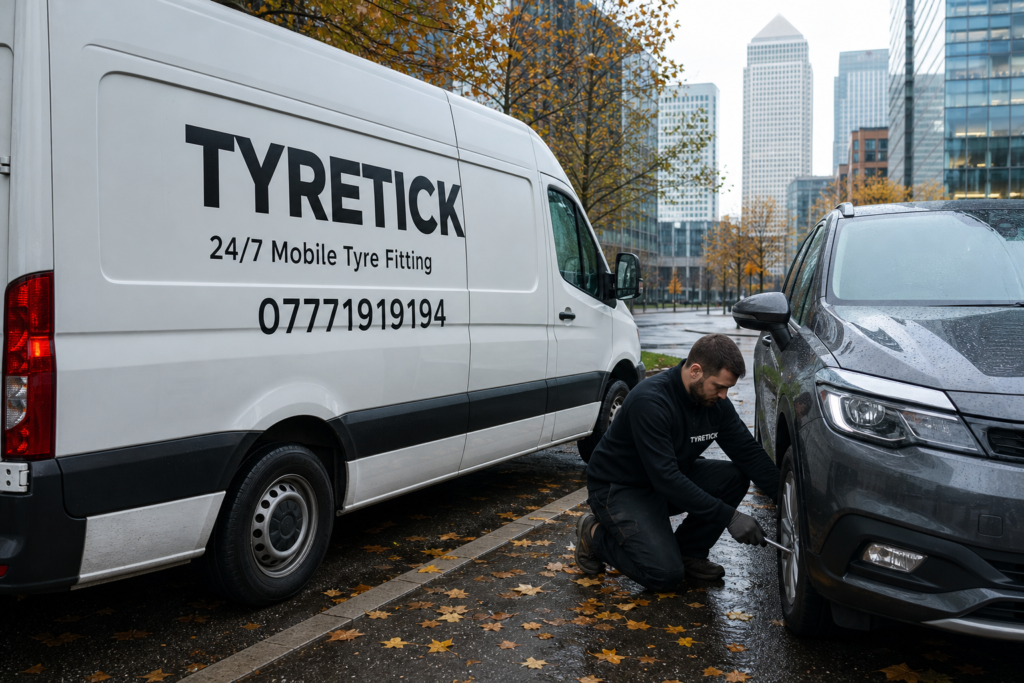
This guide will help you spot the difference safely, check the basics before you drive, and know when to call a mobile fitter. If you need help in London, Tyretick provides mobile tyre fitting London at your home, workplace or roadside.
Key takeaways
- Cold weather can lower tyre pressure, but repeated loss in one tyre usually needs checking.
- A TPMS warning shouldn’t be ignored, especially if the same tyre keeps triggering it.
- Don’t keep topping up a tyre if there are clear slow puncture symptoms.
- A safe puncture repair depends on the damage location, tyre condition and internal inspection.
- Mobile help is useful when the tyre is too low to drive on safely.
Why tyre pressure keeps dropping in real London driving
When tyre pressure keeps dropping, look for a pattern first. If all four tyres have lost a small, similar amount, colder weather or normal air seepage may be the reason. If one tyre is much lower than the rest, treat it as a possible leak.
Tyres naturally lose a little air over time, and pressure changes with temperature. A car left outside overnight can show a lower reading in the morning than it did after a warm drive the day before. That’s why pressures should be checked when the tyres are cold, using the figures in your vehicle handbook, fuel flap or door pillar.
If you’re not sure which figure is right, read Tyretick’s guide to what your tyre pressure should be. The correct pressure can be different for front and rear tyres, and it may change when the car is fully loaded.
Common causes of repeat pressure loss
- Temperature change: pressure drops when the air inside the tyre cools.
- Small puncture: a nail, screw or sharp object can leak slowly.
- Valve leak: the valve stem or valve core may fail, especially as it ages.
- Rim corrosion or damage: air can escape where the tyre bead meets the wheel.
- Sidewall damage: kerb hits and potholes can weaken the tyre structure.
- TPMS fault: the tyre may be fine, but the sensor or reset process may be wrong.
How to check if tyre pressure keeps dropping because of a puncture
Before you assume it’s safe to drive, give the tyre a proper look. A slow leak can leave you with a flat tyre while parked, and an underinflated tyre can overheat once you’re moving. If it looks very low, don’t drive to a garage just to see how it goes.
- Park on level ground, away from moving traffic.
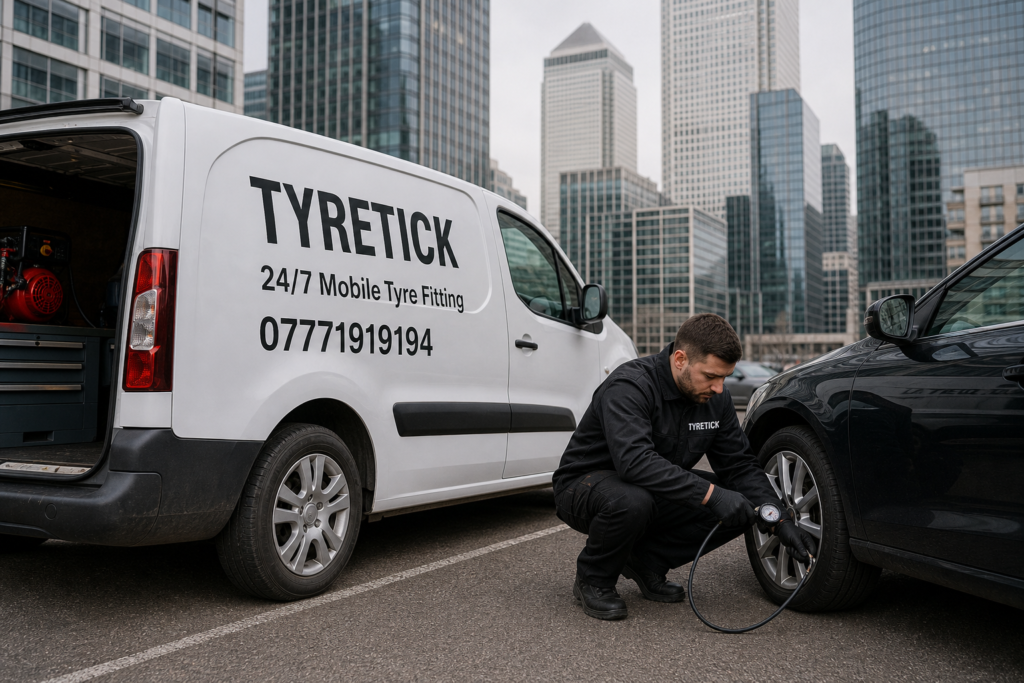
- Check the pressure with a reliable gauge while the tyre is cold.
- Compare all four tyres, not just the one showing a warning.
- Look for nails, screws, cuts, bulges and objects in the tread.
- Listen for hissing around the valve and tread area.
- Reinflate only if the tyre still looks structurally safe.
- Recheck the pressure after a few hours or the next morning.
If the same tyre loses pressure again, book a proper inspection. You can also read how to put air in tyres safely if you’re topping up at a petrol station.
Some slow leaks are hard to see from the outside. The small tyre part behind many repeat leaks is the valve, and Tyretick explains it in more detail in this guide to valves and slow punctures.
TPMS warning: when to reset it and when not to
A tyre pressure monitoring system, or TPMS, warns you when pressure isn’t where the car expects it to be. Some systems use direct sensors inside the wheels, while others compare wheel speed through the ABS system. Both are useful, but neither replaces checking the tyre by hand and with a gauge.
Reset the TPMS only after you’ve inflated all tyres to the correct cold pressure and checked for obvious damage. Resetting the light without checking the tyre can hide a real problem.
Don’t simply reset the system if:
- one tyre is repeatedly lower than the others;
- the warning comes back soon after inflation;
- the tyre has a visible screw, nail, cut or bulge;
- the car pulls, vibrates or feels unstable;
- you’ve driven on the tyre while it was very underinflated.
If your dashboard warning is confusing, this related guide on what to do when the TPMS warning light is on explains the first checks before calling a fitter.
What should you do before booking a tyre repair service?
If you need a tyre repair service, a few details will help the fitter judge the situation. Share the tyre size, the vehicle make and model, your exact location, and what you’ve noticed. Say whether the tyre is flat, partly inflated, or only losing pressure over several days.
Many drivers search for puncture repair near me or flat tyre repair near me when the pressure warning keeps coming back. That makes sense, but the tyre still needs a proper inspection before anyone can say it’s repairable.
A tyre puncture service may be able to repair a small puncture in the central tread area, depending on the tyre condition and the repair standard used. Damage to the sidewall, shoulder, bead area or inner structure is generally not safely repairable. A mobile puncture repair also needs safe working space around the vehicle, especially at the roadside or in a tight bay.
If you can see a nail or screw, don’t pull it out. It may be slowing the leak. Tyretick’s guide to nail in tyre repair explains when a puncture may be fixable and when replacement is the safer answer.
| What you notice | Likely cause | What to do |
|---|---|---|
| All four tyres slightly low after a cold night | Temperature-related pressure drop | Inflate to the correct cold pressure and monitor |
| One tyre loses pressure every few days | Slow puncture, valve leak or rim leak | Arrange inspection before longer journeys |
| TPMS light returns soon after reset | Unresolved pressure loss or sensor issue | Check pressures manually and get the tyre inspected |
| Tyre looks flat or sidewall is folded | Severe underinflation | Do not drive; call for mobile or roadside help |
| Bulge, cut or exposed cords | Structural tyre damage | Do not repair; arrange replacement |
Repair, replace or monitor: how drivers should decide
Monitoring is only suitable when all tyres lose a small, even amount over time and there’s no visible damage. Keep a note of the pressures and check them again when cold. If one tyre continues to fall faster than the others, the cause needs finding.
Repair may be possible when the puncture is small, within the repairable tread area, and the tyre hasn’t been driven while seriously underinflated. The tyre must be removed from the wheel so the inside can be inspected. This matters because driving on low pressure can damage the sidewall internally, even if the outside looks acceptable.
Replacement is usually needed if the tyre has sidewall damage, a bulge, exposed cords, severe wear, illegal tread depth or internal damage from running flat. For cars, the UK legal minimum tread depth is 1.6mm across the central three-quarters of the tread and around the full circumference. Tyretick’s guide to measuring tyre tread depth properly can help you check before you book.
If the problem started after a sharp impact, read the guide on spotting tyre and wheel damage after a pothole. Rim damage can cause repeat pressure loss even when the tyre itself is fairly new.
Frequently Asked Questions
Why does my tyre lose pressure but no nail is visible?
The leak may be too small to see, or it may be coming from the valve, bead seal or wheel rim. Some punctures sit between tread blocks and are hard to spot without removing the wheel.
Is it safe to drive if tyre pressure keeps dropping slowly?
It depends how quickly it drops and how low it gets. If the tyre is visibly low, the steering feels odd, or the TPMS warning keeps returning, avoid driving and arrange a check. Underinflated tyres can overheat and suffer internal damage.
Can cold weather trigger a TPMS warning?
Yes, colder air can reduce pressure enough to trigger a warning, especially if the tyres were already close to the threshold. Inflate them to the correct cold pressure, then monitor whether one tyre drops again.
When should I search for emergency tyre repair near me?
Search for emergency tyre repair near me if the tyre is flat, unsafe to drive on, losing air quickly, or you’re stuck at the roadside. For London drivers, roadside tyre repair London can be a safer option than trying to reach a garage on a damaged tyre.
What are the main slow puncture symptoms?
Common slow puncture symptoms include one tyre needing air more often, a repeated TPMS alert, a visible screw or nail, light pulling to one side, or pressure dropping overnight after you’ve topped it up.
Need help when tyre pressure keeps dropping in London?
If tyre pressure keeps dropping and you’re not sure whether it’s safe to drive, Tyretick can help. Our mobile tyre fitting London service can come to your home, workplace or roadside to inspect the problem, repair a repairable puncture, or replace the tyre when needed.
For urgent flats and out-of-hours tyre problems, ask about 24/7 emergency mobile tyre fitting. You can call Tyretick on 07771919194 or contact us to book a fitter.