Skip to content
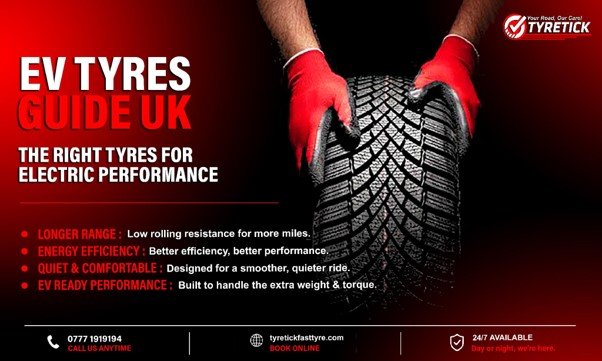
Have you ever wondered why electric cars need special rubber? It feels like a cash grab right? Well, EVs are often several hundred kilograms heavier than equivalent petrol cars because of the battery pack, and that extra weight wears out normal rubber fast. Today, we are opening up the bonnet on EV tyres to show you why they are built differently, how they save your battery range, and why fitting the wrong ones will cost you big money down the road.
Quick Answer
What is the real difference between electric vehicle tyres and regular car tyres? EV tyres are heavy-duty, ultra-quiet rubber engineered with reinforced sidewalls, acoustic foam and specialised rubber compounds to handle extreme instant torque and extra battery weight.
Key Takeaways
- Weight Factor: Electric vehicle tyres are built with a higher load index to carry the extra weight of heavy lithium battery packs.
- Instant Torque: Electric motors apply max power instantly, and tyre maker Michelin says this can wear down tyres up to 20% faster than on a petrol or diesel car.
- Noise Reduction: Specialised foam layers inside EV tyres reduce cabin road noise by up to 3 decibels.
- Price Ranges: Standard tyres cost £60 to £150 while specialised EV tyres cost £100 to £300+ each.
- Timing: Standard tyres typically last 20,000 to 40,000 miles, while EV tyres generally need replacing sooner, around 15,000 to 30,000 miles, reflecting the up to 20% faster wear rate reported by tyre makers such as Michelin.
- Actionable Tip: Check EV tyre pressures monthly, since under-inflation increases rolling resistance and can noticeably reduce your driving range.
What Makes Electric Cars So Demanding on Rubber?
Electric vehicles resemble standard automobiles from their exterior design. But under the metal they are totally different beasts. The engine is gone. The heavy gas tank is gone. In their place sits a massive battery pack and electric motors that change how the car touches the road.
The Extra Battery Mass
Batteries are heavy. Very heavy. A standard Tesla or Nissan Leaf weighs hundreds of kilograms more than a Ford Focus. Under this continuous mass tyre manufacturers completely redesigned their rubber formulations.
- Stronger Sidewalls: Tyre makers use heavy-duty aramid or rayon cords to stop the tyre from squatting.
- Higher Load Index: Look on the sidewall. You will see HL letters, which mean ‘high load capacity’.
- Stiffer Tread Blocks: Harder centre ribs stop the tread from twisting under heavy cornering.
The Problem with Instant Power
Accelerating a petrol vehicle causes engine revolutions to build gradually. Pressing the pedal in an electric vehicle delivers maximum power instantly within milliseconds. That immediate rotational force strips microscopic layers of rubber away every time the car moves forward from traffic signals.
Why Do EV Tyres Need Custom Noise Dampening Tech?
Did you know that gas engines hide a lot of road noise? This is accurate. Removing internal combustion engines leaves passenger cabins remarkably quiet. Suddenly, every tiny hum, click, and road buzz becomes super annoying to the driver.
Sound Absorption Foam
Examining the interior of an unmounted electric vehicle tyre reveals a thick band of high-density polyurethane foam bonded directly to the inner liner.
- Acoustic Dampening: The interior foam absorbs air vibrations inside the cavity.
- Decibel Reduction: It cuts cabin noise by 2 to 3 decibels which feels half as loud to human ears.
- Special Glues: The inner foam uses sticky heat-resistant glue so it does not detach at top motorway speeds.
Low-Rolling-Resistance Rubber
EV tyres use special silica compounds. These unique chemical mixes allow the tyre to roll easily across tarmac without sticking too much, which saves valuable battery range. Lower friction means you get more miles out of every single electric charge.
How Do EV Tyres Compare Directly To Standard Tyres?
Here is a straight comparison so you don’t have to scroll back up and guess the main differences between the two options.
| Feature | Standard Car Tyres | Electric Vehicle (EV) Tyres |
| What’s Involved | Standard rubber, softer sidewalls, basic tread | Reinforced belts, acoustic foam, low rolling resistance silica |
| Cost | £60 to £150 per tyre | £100 to £300+ per tyre |
| Lifespan | 20,000 to 40,000 miles | 15,000 to 30,000 miles |
| Best For | Gas and diesel cars | Battery electric and plug-in hybrids |
| Edge Cases | Can be used on EVs in emergency | Will wear out very fast on heavy EVs |
Tyre maker Michelin has stated that fitting standard tyres to a heavy electric car can cause the tread to wear down up to 20% faster than on a petrol or diesel car, which is why EV-specific tyres are increasingly recommended.
What Are the Warning Signs That Your EV Tyres Need Replacing?
Checking your rubber regularly keeps you safe and saves your cash. Since electric motors operate silently, drivers must monitor subtle physical vibrations and visual signs while on the road.
- Uneven Tread Wear: The inside edges of the tread wear out fast because of extra battery weight.
- Increased Cabin Hum: If the internal acoustic foam breaks loose, you will hear a loud thumping noise at high speeds.
- Faster Range Loss: If your dashboard shows fewer miles on a full charge, your tyre tread might be slipping or losing pressure.
- High-Pitched Squealing: Instant power makes worn rubber spin out easily when pulling away from stops.
People often confuse fast tread wear with bad wheel alignment. While bad alignment does pull your steering wheel to one side, fast central tread wear on an EV is usually just caused by heavy battery weight and instant power torque. If you notice strange vibrations in your wheel, you might just need a simple mobile wheel balancing service at your home or workplace instead of a full alignment check.
What Triggers Rapid Tyre Wear on An Electric Car?
Heavy jackrabbit starts are the biggest killer of electric vehicle rubber. Every time you show off that quick electric acceleration to your friends, you strip off thin layers of tread. Frequent hard, fast launches can noticeably shorten total tyre lifespan.
Driving with low inflation causes massive problems for heavy vehicles. Because EVs carry so much battery mass, running even 3 PSI below recommendation crushes the tyre shoulders. This causes overheating, structural damage, and unsafe handling in heavy rain.
Ignoring seasonal temperature drops will trick your tyre sensors. Cold weather drops air pressure fast. When the pressure drops, rolling resistance shoots up, which drains your battery indicator twice as fast during cold winter commutes.
Carrying heavy cargo loads puts extreme stress on the wheel rims. If you load up your boot with tools or heavy luggage, you exceed the load rating of standard petrol tyres, which increases your risk of a sudden highway blowout.
How Can Our Mobile Tyre Service Help You Save Time and Money?
We aim to remain entirely transparent about our exact operational capabilities. Our company is not a standard mechanical repair facility. We do not rebuild engines, replace brakes, or fix broken suspensions. We do one thing, and we do it brilliantly: mobile tyre services brought right to your driveway or workplace.
Whether you need a quick emergency tyre puncture repair service on the side of the road or a scheduled home tyre fitting while you sit inside drinking coffee, our fully equipped vans bring the garage straight to you. We carry top EV-rated rubber options, and we can perform specialised locking wheel nut removal if your key is lost or stripped. You can easily read more about us to see how our rapid mobile response keeps you moving.
Ensure Your EV Meets TyreSafe Guidance Today
Picking tyres for your vehicle does not need to feel complicated. Just remember this simple rule of thumb: always match the load index number printed on your door pillar, and never put cheap petrol tyres on a heavy battery vehicle unless you want to replace them again in a few months. Your safety and battery range depend on those four small contact patches touching the road.
For clear guidance on load ratings and safety standards, you can always check the official TyreSafe Guidelines before buying your next set. If you are stuck at home or on the roadside with a flat give our mobile team a quick call and we will get you rolling again in no time!